
Mold remediation to an independent protocol.
Containment, negative air, HEPA filtration, removal and cleaning performed by a TDLR-licensed Mold Remediation Contractor, then cleared by an independent licensed assessor.
Seeing or smelling mold?
Leave your number and we call you back to talk through testing or remediation, one licensed role per project.
How remediation works.
Following the assessor’s protocol and our work plan.
Plan and notify
Work plan to you at least 1 day ahead; TDLR notified when required.
Contain
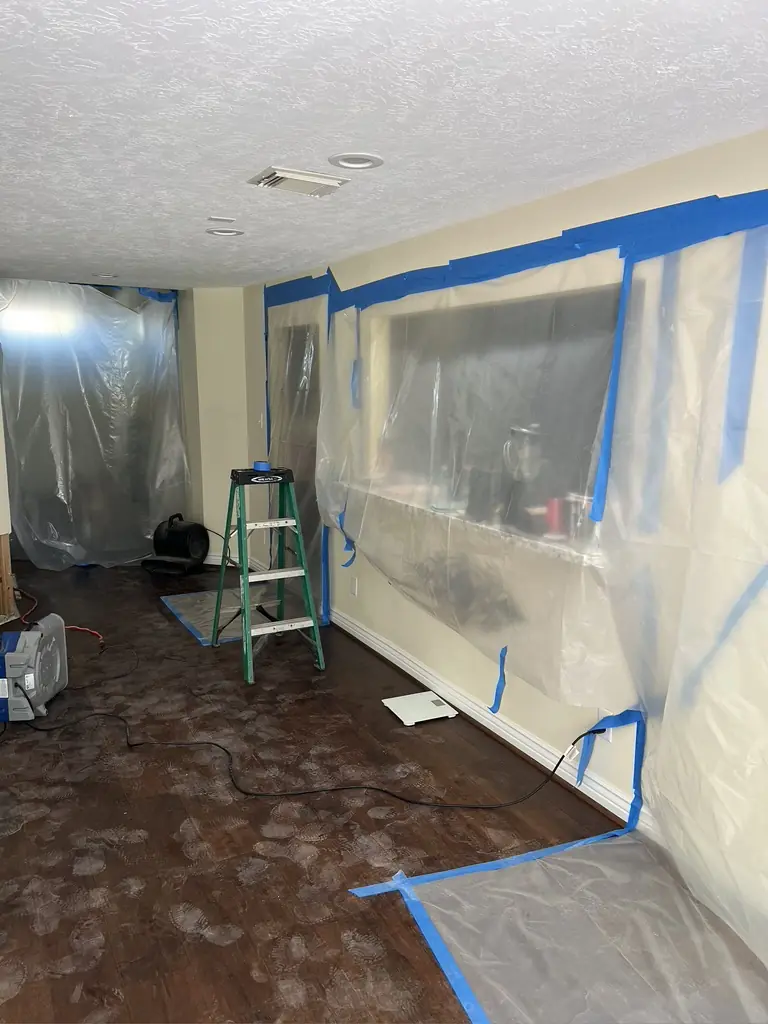
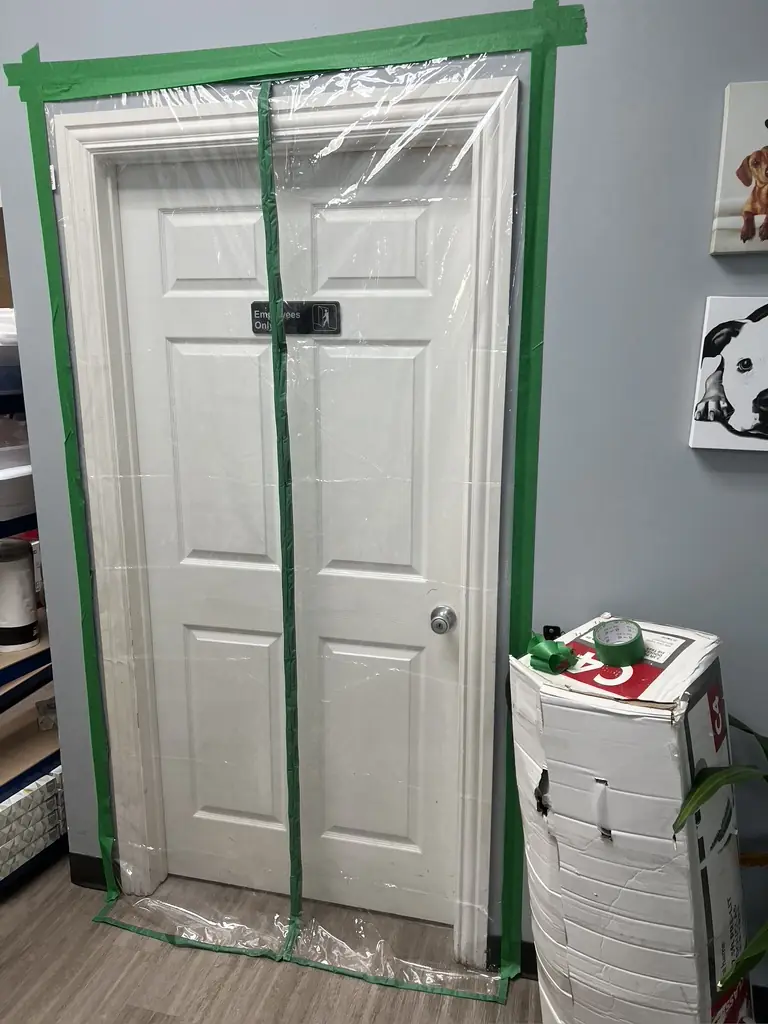
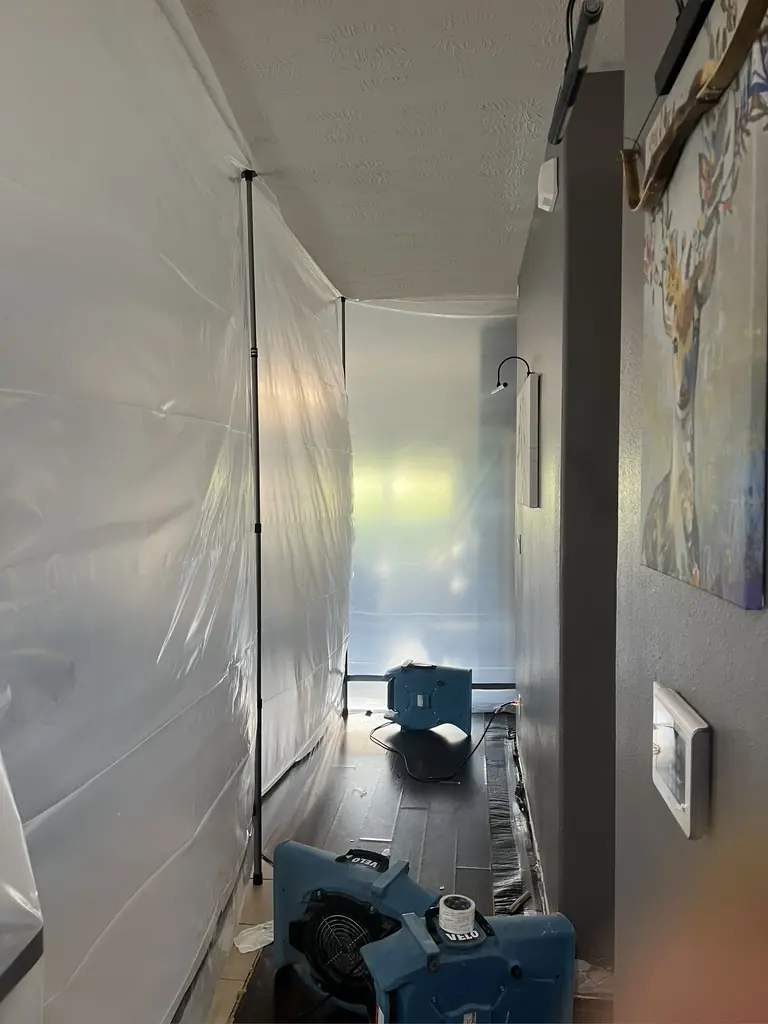
Poly containment, zipper doors and negative air with HEPA filtration.
Remove and clean
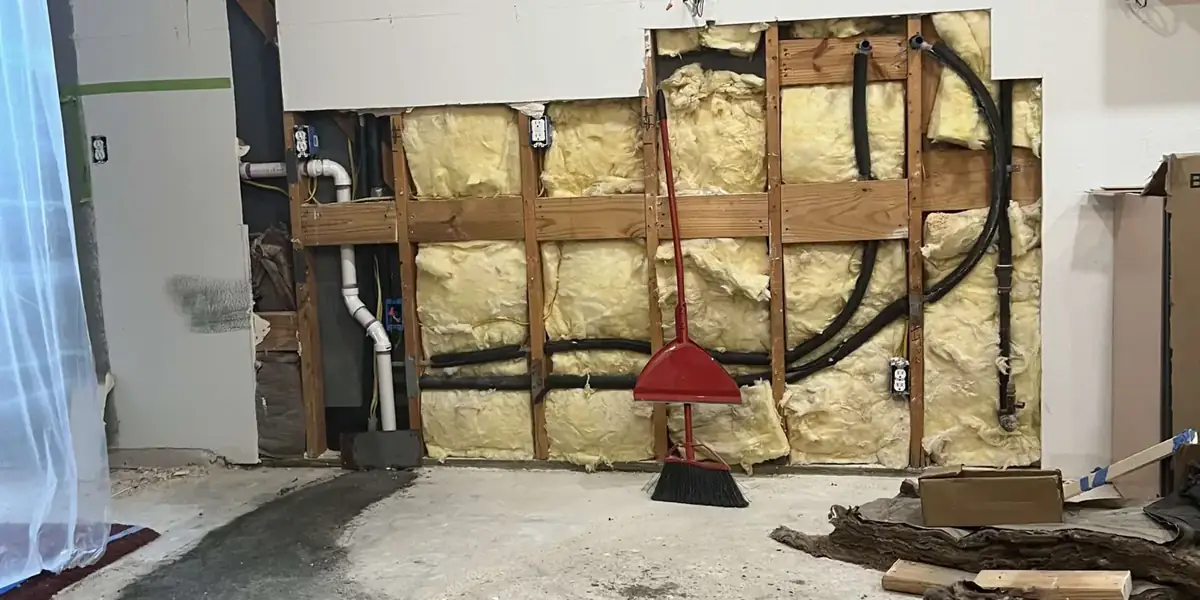
Affected porous materials removed; surfaces HEPA-vacuumed and cleaned.
Clear
Independent assessor performs post-remediation assessment.


How a regulated mold project works.
Summarized from TDLR guidance. Exemptions and details apply; the rules in 16 TAC Chapter 78 control.
| Step | Requirement |
|---|---|
| Threshold | Licensed assessment and remediation generally required for 25 contiguous square feet or more of visible mold |
| Protocol | Licensed assessor prepares a written protocol and gives it to the client at least 1 day before remediation starts |
| Work plan | Licensed remediator prepares a work plan and gives it to the client at least 1 day before starting |
| Notification | Remediator notifies TDLR online at least 5 days before starting ($25 fee); emergencies may notify by the next working day |
| Clearance | Post-remediation assessment by a licensed assessor independent of the remediator |
| Certificate | Certificate of Mold Damage Remediation (TDI form MDR-1) within 10 days of passed clearance; states whether the underlying cause was corrected |
| Exemptions | Include owners working on their own one- or two-family home and certain small residential properties; licensed remediators must still follow the rules even under 25 square feet |
Sources: TDLR at a glance; TDLR notifications; TDLR Consumer Mold Information Sheet; TDLR FAQ.
Flat-Out holds both a TDLR Mold Assessment Consultant license (MAC2142) and a Mold Remediation Contractor license (MRC2169). Under Texas Occupations Code §1958.155, a license holder may not perform both the mold assessment and the mold remediation on the same project. On every project we serve in one role only. If we assess, an independent licensed contractor remediates; if we remediate, an independent licensed consultant assesses and clears.
Regulated by the Texas Department of Licensing and Regulation, P.O. Box 12157, Austin, Texas 78711, 1-800-803-9202, 512-463-6599, www.tdlr.texas.gov.
Rated 4.9 on Google.
Real reviews from Houston homeowners and property owners. Read every review on Google or see more on our reviews page.
“Needed a plumber for a water leak emergency. Keith and his crew were here within 45 mins from calling. They met with the adjuster and had our home back to perfect within 2 months.”— Alex A., Yahoo Local review
“Keith is the owner, he is friendly, professional. Very detail-oriented. He makes sure everything is done correctly.”— Pam G., Angi review
“Very impressed by Keith’s skills and experience. He was able to identify and fix my plumbing issues, and was very honest about what needed to be fixed now, and what could wait.”— Thor Oxnard, Google review
One call. Every trade. Any hour.
Plumbing, HVAC, water, fire, mold and building diagnostics — handled by one licensed Houston team since 2013.
Frequently asked.
Still unsure? Call (832) 904-9001 and talk to a licensed professional — not a call center.
Do you fix the moisture source?
Can I paint over mold?
Code, standard and agency references used on this page. Requirements change; confirm the edition your jurisdiction or carrier applies.
- TDLR: Mold Assessors & Remediators at a Glance
- TDLR: Mold Remediation Notifications
- TDLR: Consumer Mold Information Sheet
- TDLR: Mold Assessors and Remediators FAQs
- Texas Attorney General: Mold Remediation consumer guidance
- U.S. EPA: A Brief Guide to Mold, Moisture and Your Home
- U.S. EPA: Ten things you should know about mold