
Cleaner indoor air, based on measurement.
Filtration, ventilation, humidity control and source control for allergy, odor and dust complaints, recommended after we find where the problem comes from.
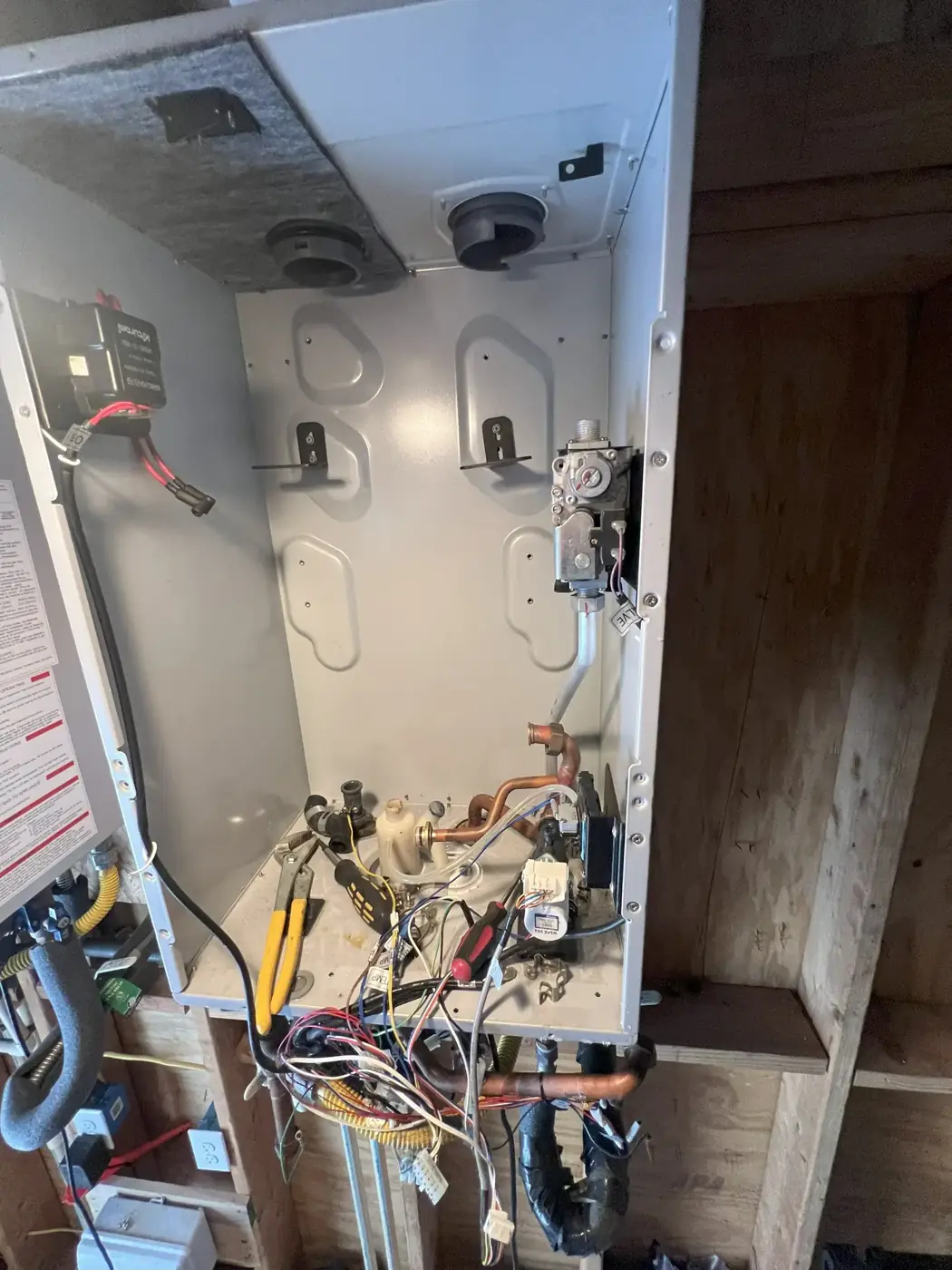
Source, ventilation, filtration — in that order.
The U.S. EPA describes three basic strategies for indoor air quality: source control, improved ventilation, and air cleaning or filtration, and says source control is usually the most effective (U.S. EPA). We follow the same order because a filter cannot keep up with a humid crawlspace, a leaking return in a dusty attic, or a moldy coil.
In Houston, humidity is the most common indoor air problem we find. Above 60 percent relative humidity, dust mites and mold become more likely; EPA recommends 30 to 50 percent where possible (U.S. EPA).
- Humidity and temperature logging
- Return-side duct leakage to dusty attics
- Coil, drain pan and blower cleanliness
- Filter fit and bypass around the rack
- Exhaust fans that vent outdoors, not into the attic
- Ventilation rate in tight newer homes
What we install and correct.
Each recommendation ties back to something we measured or observed.
Filtration upgrades
Media filter cabinets sized so a higher-MERV filter does not choke airflow.
Duct sealing
Stops attic dust and insulation fibers from being pulled into the return.
Whole-home dehumidifiers
Holds humidity in the recommended range year-round.
Fresh-air ventilation
Controlled supply or balanced ventilation for tight homes, with moisture control.
Coil and blower cleaning
Removes biological growth and restores airflow.
Exhaust fan corrections
Bath and kitchen exhaust routed outdoors and sized correctly.
How an indoor air quality visit works.
Measure first, then recommend.
Interview
Symptoms, when they happen, which rooms, and recent changes such as a remodel, new furniture or a water leak.
Measure
Temperature and humidity logged; carbon monoxide checked at gas appliances; return leakage and room pressures tested.
Inspect
Filter rack, coil, drain pan, blower, ducts, exhaust fans and attic.
Recommend
A ranked list: source fixes first, then ventilation, then filtration.
Verify
Humidity, airflow and exhaust rates re-measured after the work.
How much fresh air a home needs.
Continuous whole-house mechanical ventilation rates from the 2021 IRC.
| Floor area | 0–1 bedrooms | 2–3 bedrooms | 4–5 bedrooms |
|---|---|---|---|
| Under 1,500 sq ft | 30 CFM | 45 CFM | 60 CFM |
| 1,501–3,000 sq ft | 45 CFM | 60 CFM | 75 CFM |
| 3,001–4,500 sq ft | 60 CFM | 75 CFM | 90 CFM |
Source: 2021 IRC Table M1505.4.3(1), Texas edition. In Houston, outdoor air brought in for ventilation also brings moisture, so we plan ventilation together with dehumidification.
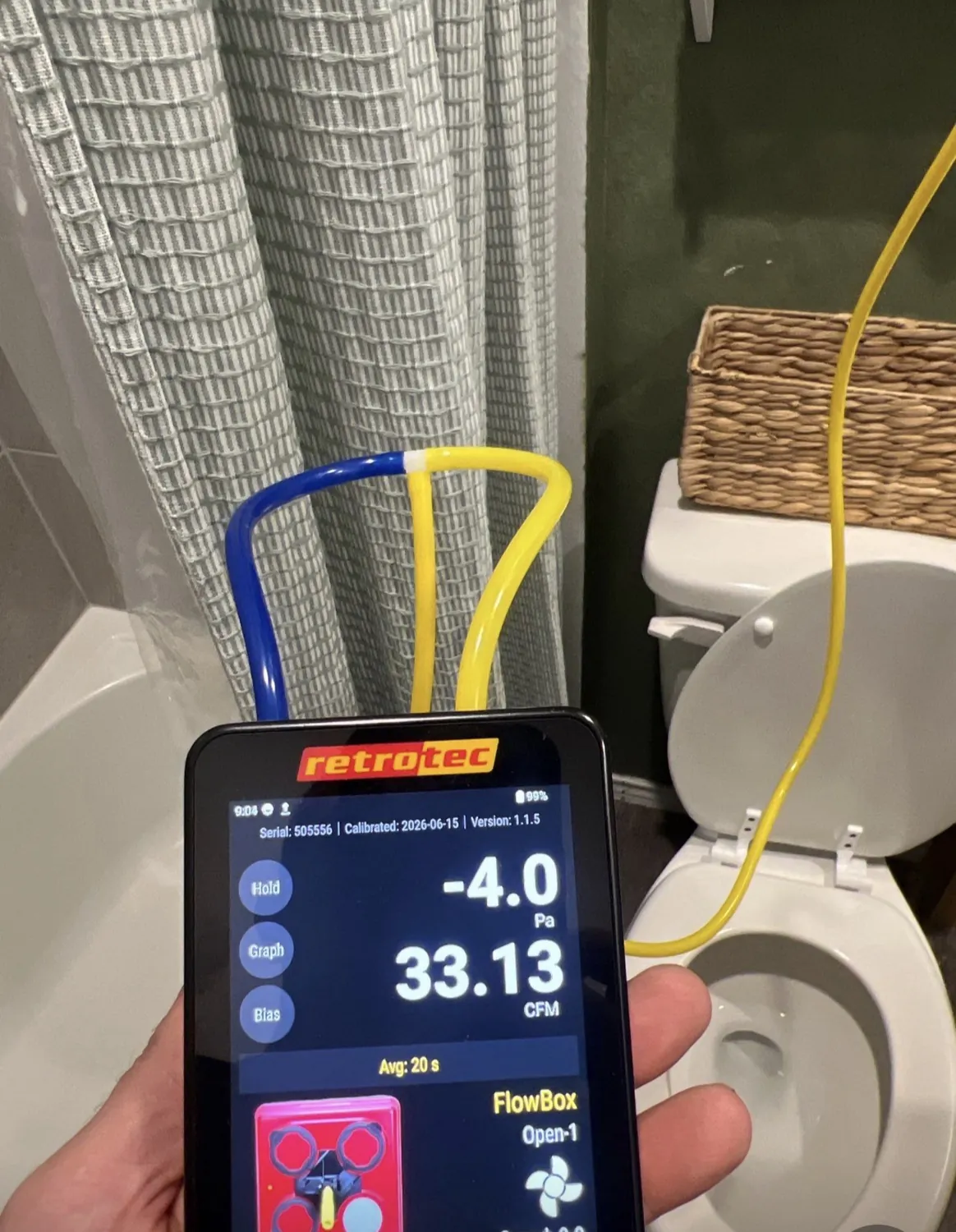
Measured, not assumed.
The 2021 IRC requires bathroom exhaust of at least 50 CFM intermittent or 20 CFM continuous, and kitchen exhaust of at least 100 CFM intermittent or 25 CFM continuous (2021 IRC, Texas edition). Many fans move much less than their label once ducted. We measure them.
EPA also notes that portable air cleaners and better HVAC filters can help, but filtration does not replace controlling sources and ventilating (U.S. EPA).
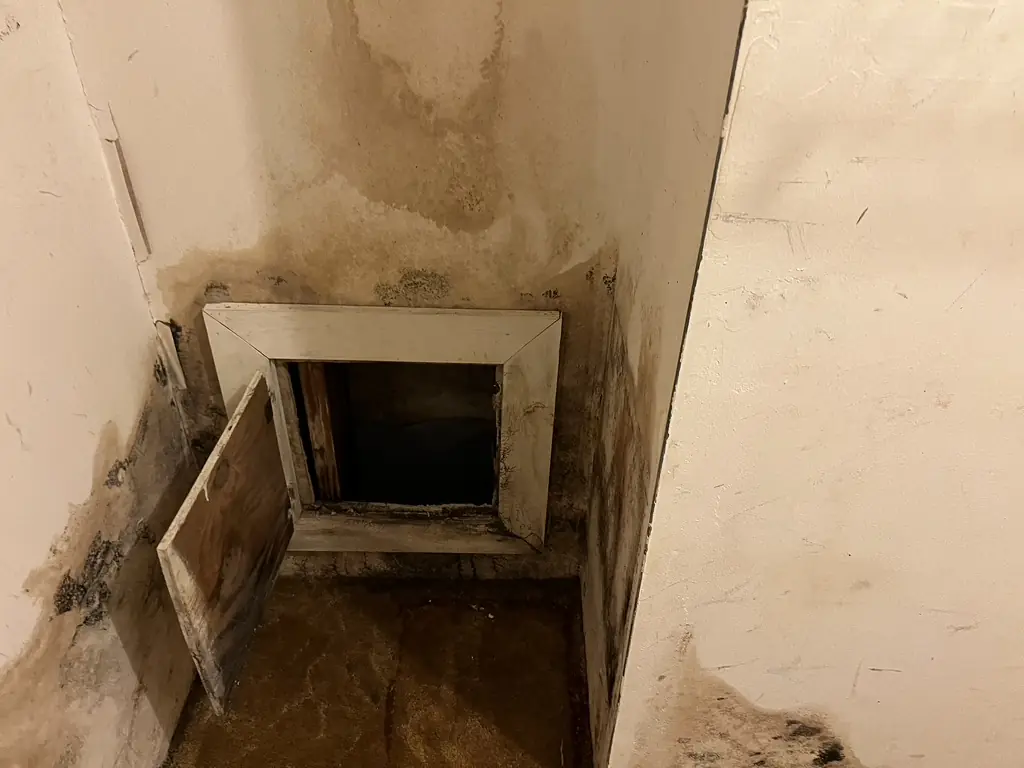
Know when to call the mold side.
Visible growth on registers, return grilles or the air handler, or a musty odor when the system starts, can indicate microbial growth in the HVAC system. Texas regulates mold assessment and remediation. Small areas can be cleaned by owners, but larger areas and HVAC systems may require licensed professionals. See HVAC and duct mold.
- Musty odor at system startup
- Dark growth on grilles and registers
- Recurring sweating on supply boots
Rated 4.9 on Google.
Real reviews from Houston homeowners and property owners. Read every review on Google or see more on our reviews page.
“Needed a plumber for a water leak emergency. Keith and his crew were here within 45 mins from calling. They met with the adjuster and had our home back to perfect within 2 months.”— Alex A., Yahoo Local review
“Keith is the owner, he is friendly, professional. Very detail-oriented. He makes sure everything is done correctly.”— Pam G., Angi review
“Very impressed by Keith’s skills and experience. He was able to identify and fix my plumbing issues, and was very honest about what needed to be fixed now, and what could wait.”— Thor Oxnard, Google review
Related services and guides
One call. Every trade. Any hour.
Plumbing, HVAC, water, fire, mold and building diagnostics — handled by one licensed Houston team since 2013.
Frequently asked.
Still unsure? Call (832) 904-9001 and talk to a licensed professional — not a call center.
Should I buy an air purifier?
Do UV lights help?
What MERV filter should I use?
Code, standard and agency references used on this page. Requirements change; confirm the edition your jurisdiction or carrier applies.
- U.S. EPA: Improving indoor air quality (source control, ventilation, air cleaning)
- U.S. EPA: Guide to air cleaners in the home
- 2021 IRC Chapter 15 (Texas): makeup air, whole-house ventilation and local exhaust rates
- U.S. EPA Mold Course, Chapter 2 (humidity and drying)
- U.S. EPA: A Brief Guide to Mold, Moisture and Your Home
- ENERGY STAR: Duct Sealing