
Why is this house damp? We measure until we know.
For sweating ducts and registers, musty odors, attic condensation and recurring mold: temperature and humidity logging, pressure and leakage testing, and HVAC measurement, reported with clear evidence boundaries.
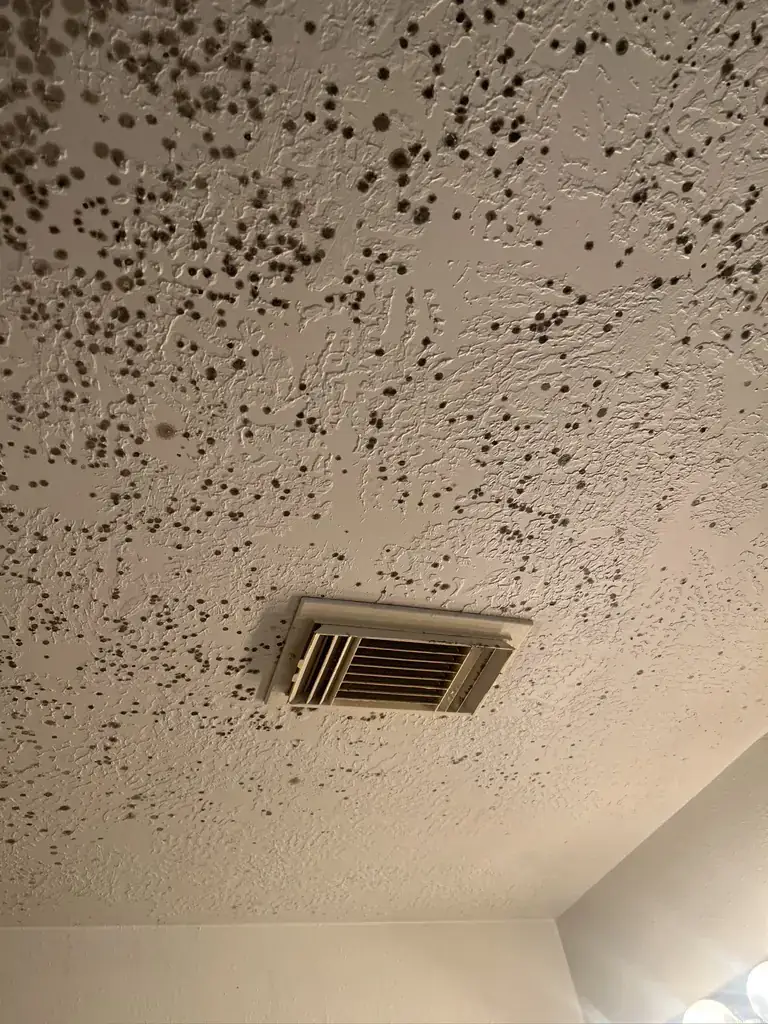
Common moisture complaints.
Each has a short list of likely mechanisms. Testing tells them apart.
Sweating registers and ducts
Supply air below the dew point of surrounding air.
Attic condensation
Humid air reaching cold duct or roof surfaces.
Musty odor with no visible mold
Hidden moisture in walls, crawlspaces, ducts or the HVAC.
Humidity above 60 percent
Equipment, airflow, leakage or ventilation issues.
Recurring mold after cleanup
Source never identified or corrected.
Wet slabs and floors
Plumbing leaks, drainage or vapor drive.
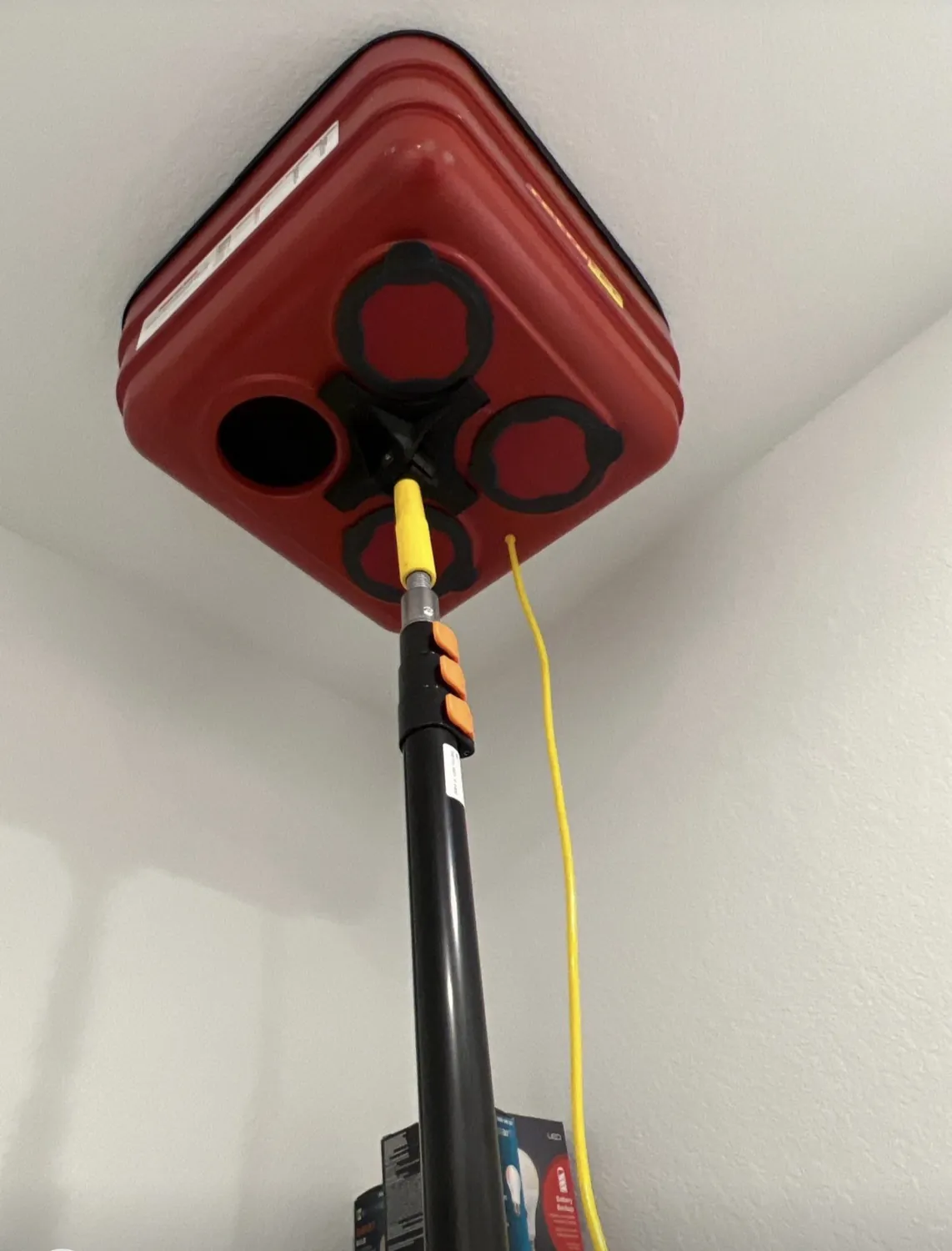
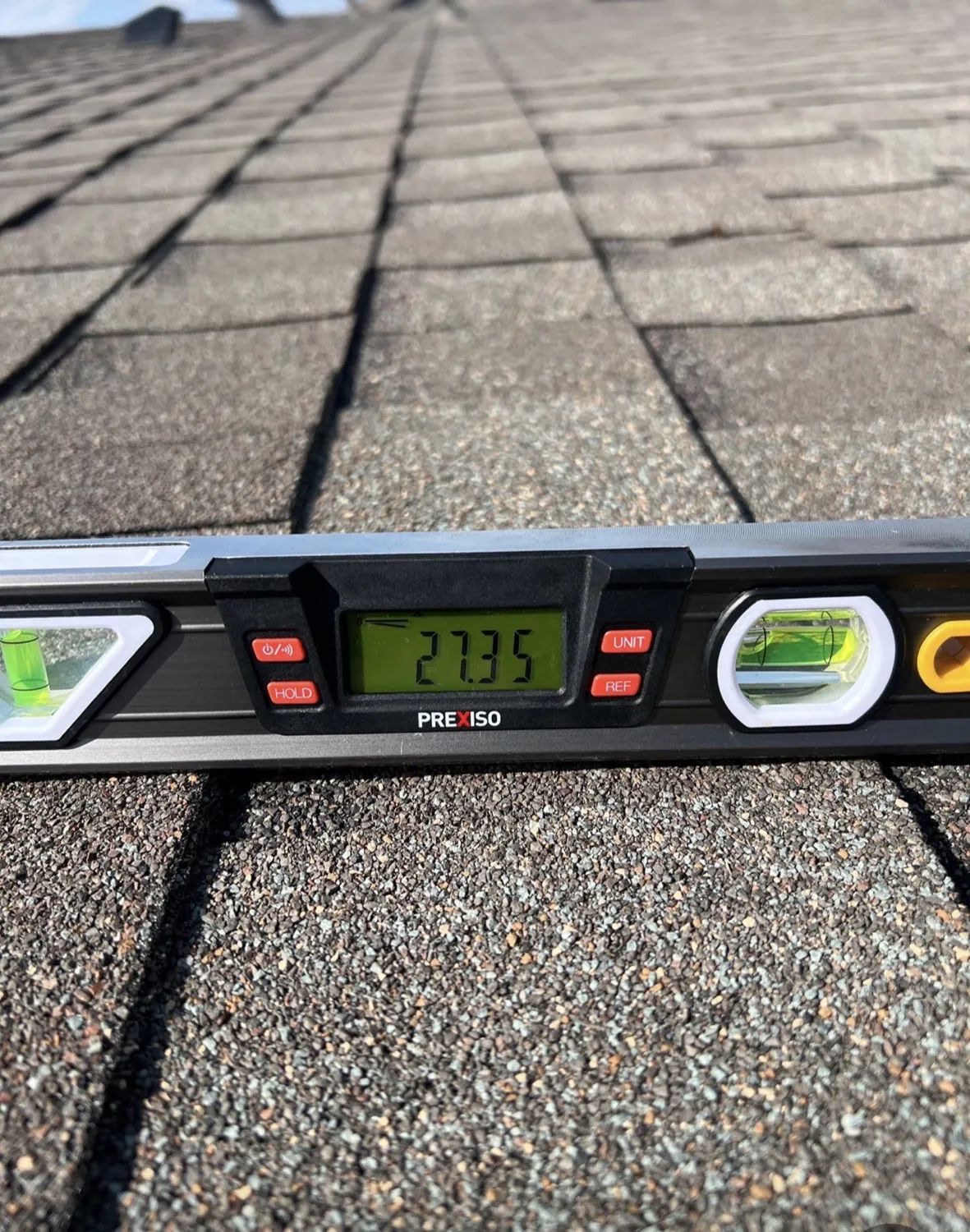
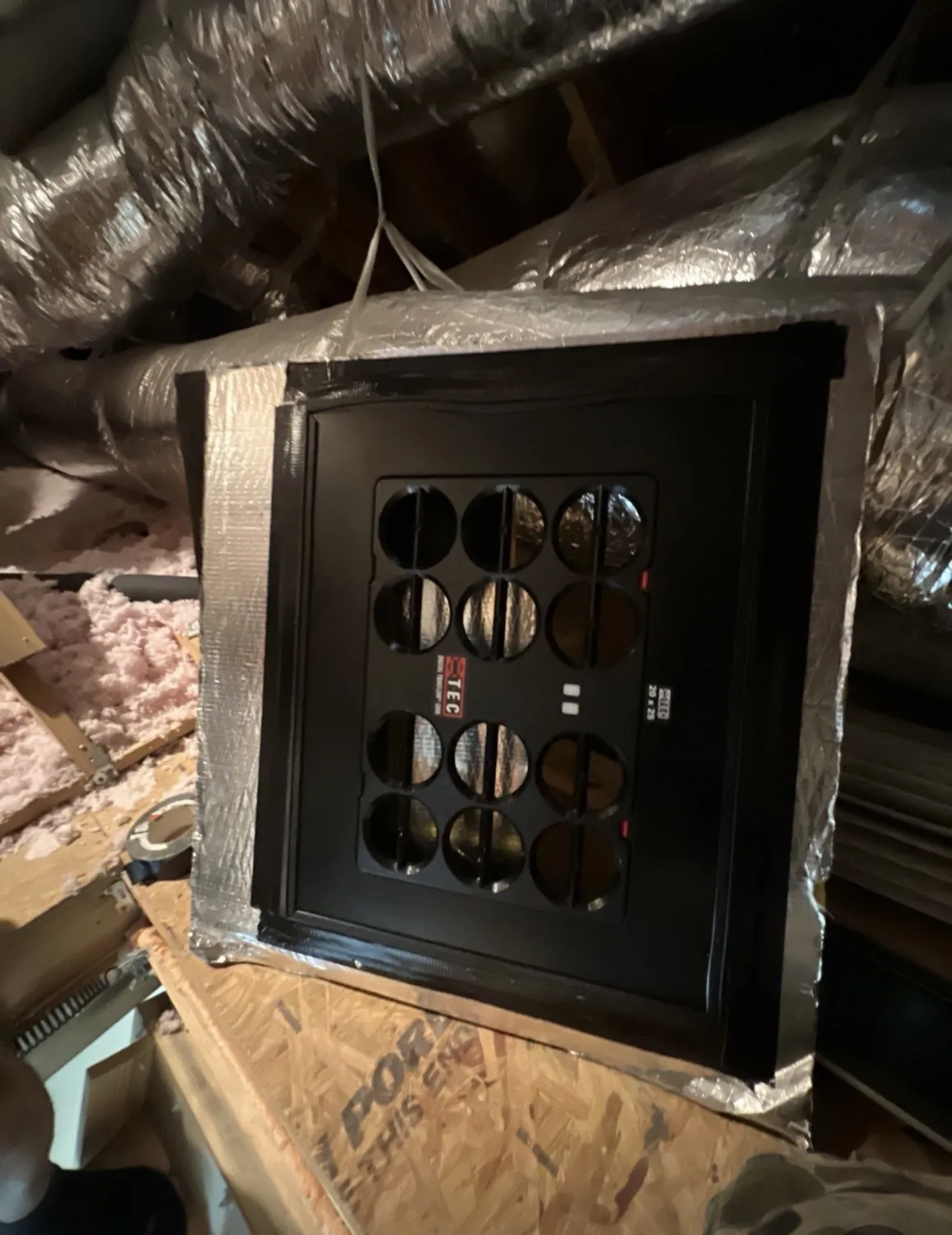
Forensic measurements.
Exhaust airflow, roof geometry and duct conditions measured during moisture and ventilation investigations.

How an investigation runs.
We separate what we observed, what we measured and what we concluded.
Baseline
Temperature, humidity and dew point logged in key rooms, attic and outdoors.
System tests
HVAC airflow, coil performance and runtime measured.
Pressure and leakage
Blower door, duct leakage and room-to-room pressures.
One variable at a time
Controlled retests change one setting so cause and effect are clear.

Evidence you can stand behind.
Our reports list every measurement with its instrument and conditions, identify assumptions and defaults, and name the field measurement that would replace each one. Conclusions use measured, cautious language suited to owners, carriers and attorneys.
When mold is present, we explain where moisture control ends and licensed mold assessment or remediation begins, and we keep those roles separate as Texas law requires.
The numbers we compare against.
EPA recommends indoor relative humidity below 60 percent, ideally 30 to 50 percent, and drying wet materials within 24 to 48 hours to prevent mold growth (U.S. EPA). Surface temperatures below the dew point mean condensation. Envelope and duct leakage are compared with the 2021 IECC limits that Houston adopted for new construction.
Rated 4.9 on Google.
Real reviews from Houston homeowners and property owners. Read every review on Google or see more on our reviews page.
“Needed a plumber for a water leak emergency. Keith and his crew were here within 45 mins from calling. They met with the adjuster and had our home back to perfect within 2 months.”— Alex A., Yahoo Local review
“Keith is the owner, he is friendly, professional. Very detail-oriented. He makes sure everything is done correctly.”— Pam G., Angi review
“Very impressed by Keith’s skills and experience. He was able to identify and fix my plumbing issues, and was very honest about what needed to be fixed now, and what could wait.”— Thor Oxnard, Google review
Related services and guides
One call. Every trade. Any hour.
Plumbing, HVAC, water, fire, mold and building diagnostics — handled by one licensed Houston team since 2013.
Frequently asked.
Still unsure? Call (832) 904-9001 and talk to a licensed professional — not a call center.
Is this the same as mold testing?
How long does logging take?
Can you work with my builder or HVAC contractor?
Code, standard and agency references used on this page. Requirements change; confirm the edition your jurisdiction or carrier applies.