
Mold assessment vs. mold remediation in Texas — who does what?
The two licensed roles in a Texas mold project, why one company can’t do both on the same job, and how clearance works.
Seeing or smelling mold?
Leave your number and we call you back to talk through testing or remediation, one licensed role per project.
Texas separates the inspector from the contractor.
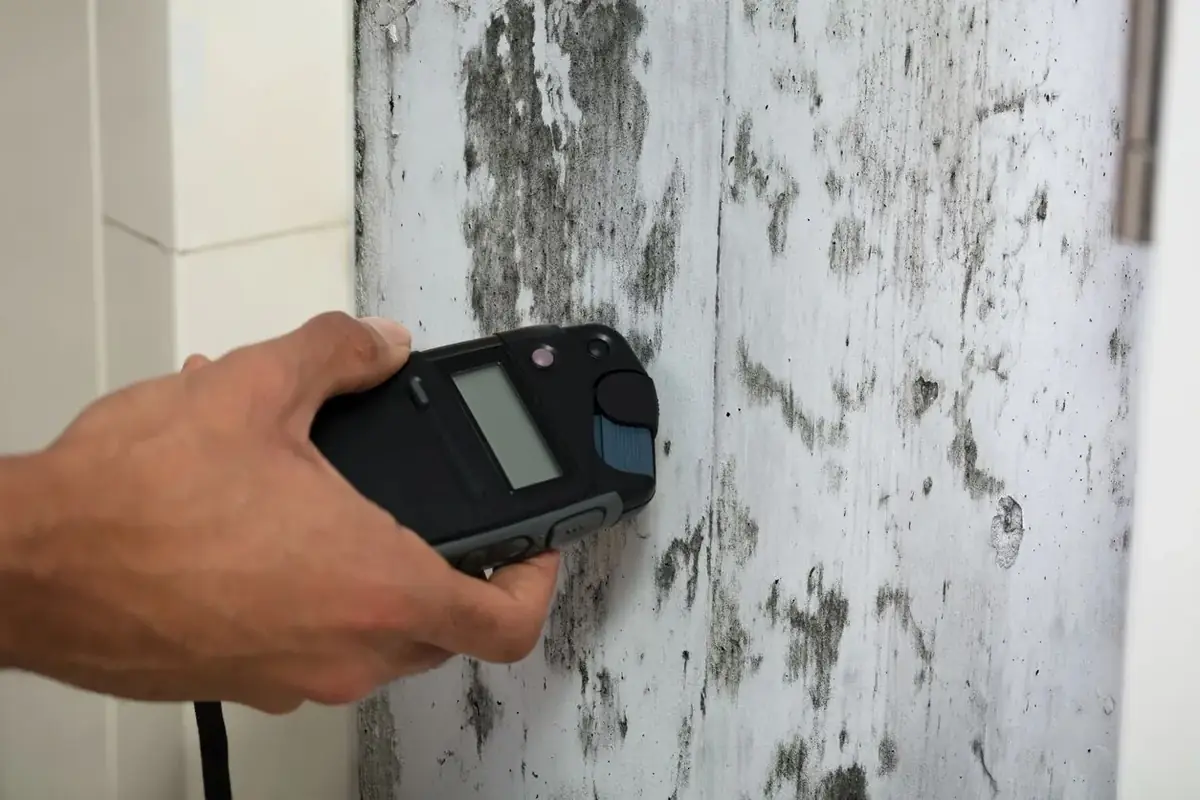
Texas licenses mold work through TDLR. A Mold Assessment Consultant inspects, samples and writes the Mold Remediation Protocol. A Mold Remediation Contractor performs the removal and cleaning according to that protocol. After the work, the assessment consultant performs the post-remediation assessment to determine whether the project passed.
The 25-square-foot threshold.
Licensed assessment and remediation are generally required when mold affects 25 contiguous square feet or more of surface area, with certain exemptions — for example, an owner working on their own single-family residence. When in doubt, a call to a licensed consultant is the safest starting point.
Mold is a symptom.
Growth returns if the moisture source isn’t corrected. Plumbing leaks, duct condensation, roof leaks and chronic high humidity are the common causes in Houston homes. Because we also hold plumbing and HVAC licenses and BPI certification, we can help identify the source — and correct it as a separate scope.
One call. Every trade. Any hour.
Plumbing, HVAC, water, fire, mold and building diagnostics — handled by one licensed Houston team since 2013.
Frequently asked.
Still unsure? Call (832) 904-9001 and talk to a licensed professional — not a call center.