
Sewage Backup Cleanup Houston: What to Do First and How Professional Cleanup Works
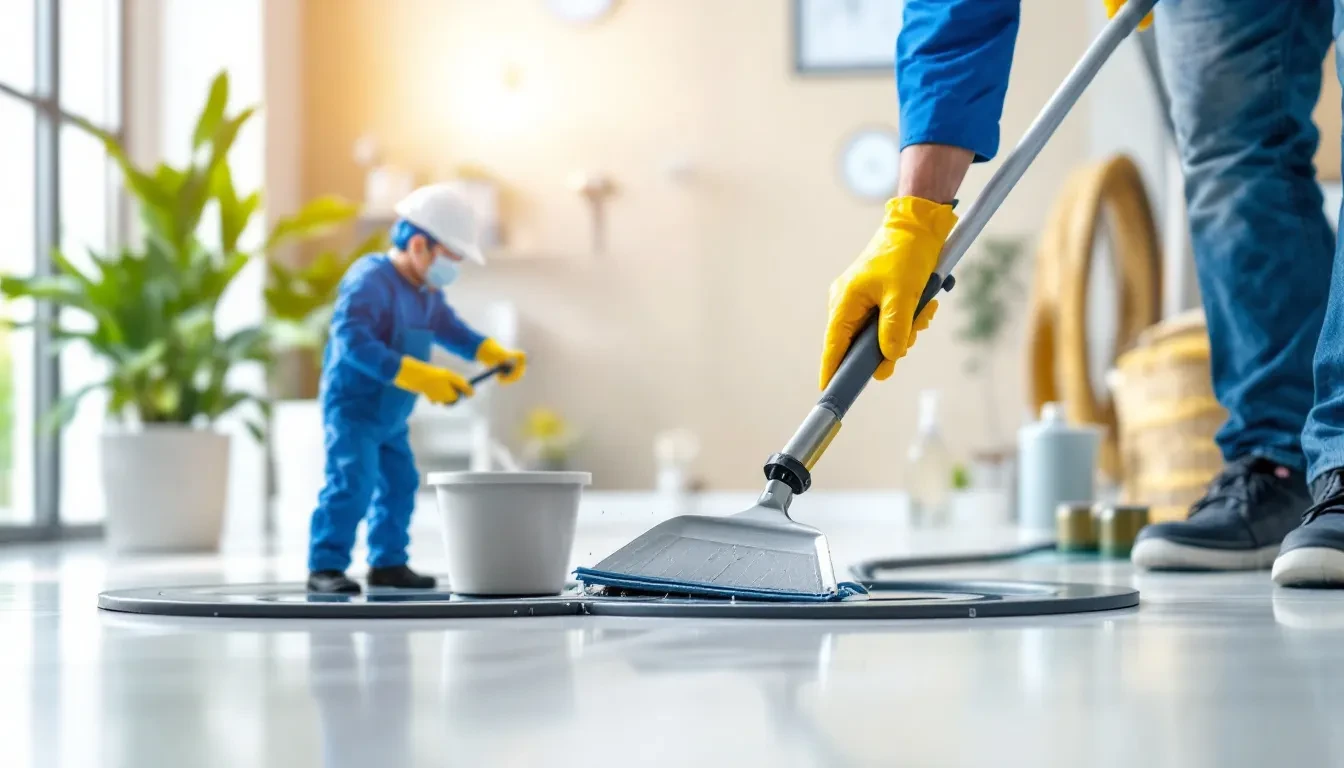
If you are currently watching sewage back up through a drain or a toilet, you need to know your immediate next steps and who to call. Raw sewage is a biohazard, and speed matters because contamination spreads into porous materials. This guide covers first steps, common causes of Houston backups, the cleanup process, mold and biohazard risks, cost factors, and insurance for your sewage backup cleanup.
Key Takeaways
- Stop using all water, stay out of the affected area, and keep kids and pets away. Photograph the damage before anything is moved.
- Sewage is treated as category 3 black water, so porous materials like carpet and drywall are often removed rather than saved.
- A backup has a cause, such as a blocked or damaged line, tree roots, or a surcharged sewer after heavy rain. Cleanup without fixing the cause invites a repeat.
- Cost depends on the size of the wet area, which materials are affected, how long it sat, and whether plumbing repairs are needed. Always ask for a written scope.
- Check your policy for sewer or water backup coverage before calling your carrier, and keep every record of the work.
What to Do Immediately After a Sewage Backup

If you are currently facing a sewage backup in your home, you must act quickly to manage the emergency and limit the spread of contamination. Raw sewage is a biological hazard, and because wastewater can quickly soak into subfloors and wall cavities, your immediate response is vital to mitigate sewage damage.
Make the Area Safe
The first priority is to stop all water use. Do not use sinks, tubs, toilets, dishwashers, or washing machines, as any additional water sent down the line can worsen the backup. Keep all people and pets away from the affected area to prevent contact with contaminated water. Do not wade through the waste barefoot. If you must enter the area, wear sturdy boots and gloves to protect your skin. Only turn off power to the affected areas if you can reach the electrical panel without standing in water; otherwise, leave it alone and tell the responder. Never mix bleach with other cleaning products.
Document the Damage and Make the Call
Before you move anything or begin any cleanup, you must document the scene. Use a camera to take photos and video of the water line, any damaged belongings, and the specific drain that is backing up. Note the exact time you first discovered the problem. Do not throw away any damaged items until an insurance adjuster has seen them or you have captured clear photographic evidence. Avoid the urge to shop-vacuum the sewage or run fans that might spread contaminated air before the area is professionally assessed. Once you have documented the scene, call a professional team that can both stop the source and handle the cleanup. You can reach Flat-Out Plumbing HVAC & Restoration at (832) 904-9001.
Why Sewage Backups Happen in Houston and What Category 3 Water Means
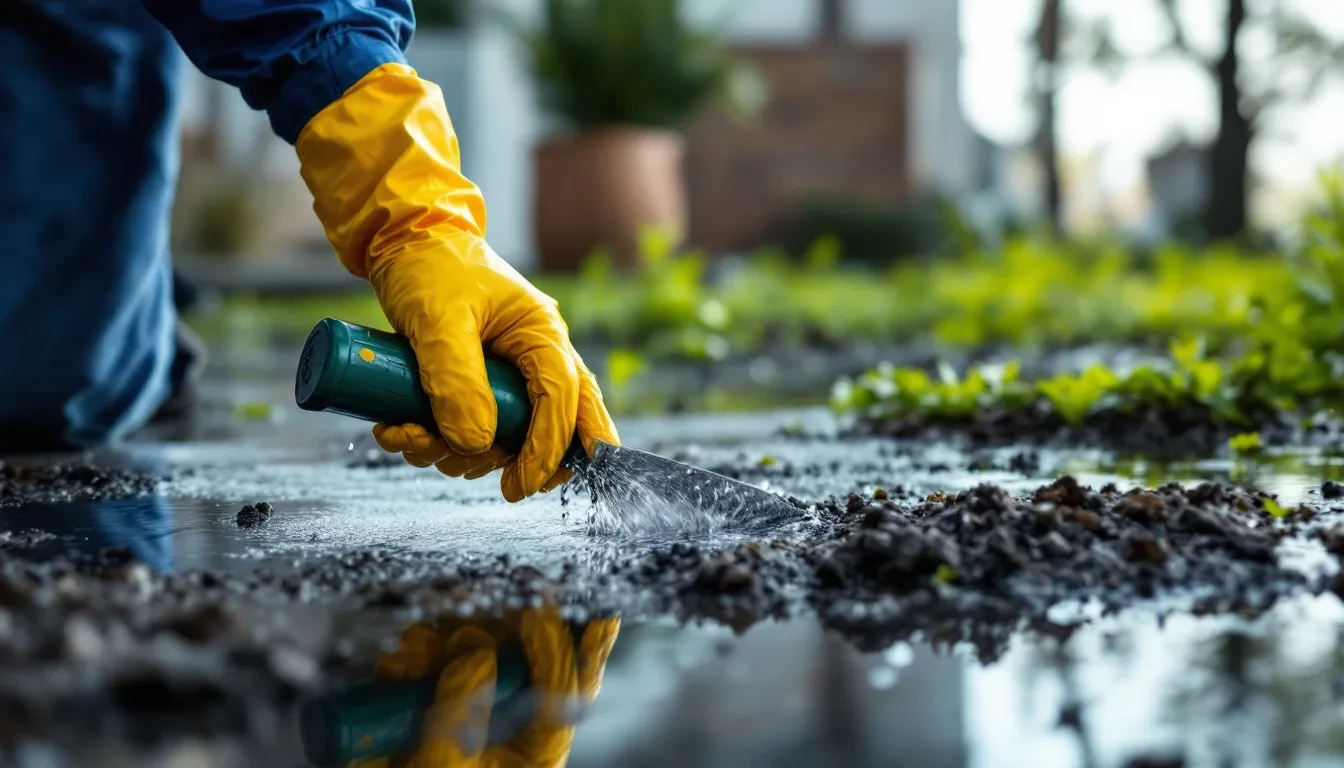
A sewage backup can occur for several reasons related to the plumbing or the municipal infrastructure. Aging clay or cast iron lines can crack, offset, or corrode over time, creating spaces for debris to catch. Tree roots often work into pipe joints and grow into significant blockages. During heavy rain, flooding can overload the municipal sewer, causing wastewater to push back toward low fixtures like floor drains and ground-level tubs. Within the home, grease, wipes, and other debris build clogs, while shifting soil can bend or separate a line.
You can identify a main-line problem by watching for specific signs: gurgling drains, multiple fixtures backing up at once, a toilet that bubbles when the washer drains, or a persistent sewage smell. A single-fixture clog is usually a localized issue, whereas a backup involving several drains suggests a sewer problem.
When a backup occurs, the water is classified as category 3, also known as black water. This water carries raw sewage or other grossly contaminated matter and can carry bacteria and viruses, making it a biohazard. This differs from category 1 (clean supply line water) or category 2 (gray water, such as a washing machine overflow). Note that category 1 and 2 water can be reclassified as it sits or touches dirty surfaces. This is why sewage cleanup differs from drying out a burst supply line.
Our Sewage Damage Restoration Process Step by Step
When you call for professional sewage cleanup, the restoration team follows a specific sequence. Flat-Out offers 24/7 emergency service, and the team arrives in about 2 hours on emergency calls. The duration of the process depends on several factors, such as the area size, the materials affected, how long the sewage sat, and whether the plumbing repair is needed first. The process generally follows three main stages: arrival and assessment, removal and cleaning, and finally, drying and finish.
Arrival, Source Check and Assessment
After the call, the team is dispatched to your property to begin the assessment. The first priority is to find the source of the sewage to determine if the issue is a blocked line, a broken pipe, or a surcharged municipal sewer. The team will map the affected area to identify which materials are porous, such as carpet, pad, drywall, or insulation, and which are non-porous, like tile or sealed concrete. This assessment determines the scope of the damage restoration work needed.
Removal, Cleaning and Disinfection
Once the source is identified and the area is mapped, the team begins the extraction phase. Technicians extract standing wastewater and remove unsalvageable materials, including carpet, pad, and wet drywall. To prevent the spread of contamination to clean areas of the home, the team uses containment measures and appropriate protective gear. After the removal of debris, all remaining non-porous surfaces are thoroughly cleaned and disinfected to address the biohazard concerns associated with sewage damage. You can learn more about sewage extraction services to understand these steps better.
Drying, Documentation and Sign-Off
The final stage involves drying the structure with air movers and dehumidifiers. The team takes moisture readings through the job to track the progress. A restoration job includes daily moisture logs and Xactimate documentation for the insurance claim. The team confirms dry readings before any rebuild or repair work begins. This documentation ensures an accurate record of the cleanup services provided to your property.
Residential Sewage Cleanup in Houston
When a sewage backup occurs in your home, the type of material that needs removal depends on how the liquid has interacted with your property. For category 3 water, certain items are typically unsalvageable. Carpet and pad are generally removed and discarded. If sewage wicks into drywall or insulation, those materials often require being cut out. Upholstered furniture and mattresses are usually discarded due to their porous nature. However, hard flooring like tile or sealed concrete is often cleanable with professional methods. Some solid wood or specially sealed items may also be saved depending on the extent of the contact.
Attempting a DIY sewage cleanup carries significant risks. You may face skin or respiratory exposure to pathogens, or accidentally spread contamination using a wet vac or fans. You might also miss hidden moisture in the subfloor or walls, leading to odors that return later. Professional sewage cleanup uses specialized extraction equipment, containment, and moisture readings to manage water damage effectively. Because a backup is both a plumbing problem and a restoration problem, Flat-Out Plumbing HVAC & Restoration provides plumbing, water damage restoration, and mold services to handle the issue from a single source for your home in Houston.
Commercial Sewage Cleanup Services in Houston
Property managers and business owners face unique challenges during a sewage backup. A commercial incident can lead to significant downtime and lost revenue. Depending on the building type, you may need to manage access for tenants or customers during the cleanup. In multi-unit or multi-tenant buildings, shared lines can cause backups that impact several properties at once. For those in food service or healthcare settings, health code concerns make rapid response vital.
When a backup occurs, deciding quickly who owns the line is a priority. The cause might belong to the tenant, the landlord, or the municipality, which affects who pays for the damages. Flat-Out Plumbing HVAC & Restoration handles residential and commercial work in plumbing, restoration, mold, and building diagnostics. Building consulting covers moisture investigations and water-loss causation, which can assist when the cause of the damage is disputed. For any commercial sewage cleanup, professional documentation is essential for your insurance carrier or landlord.
Mold and Biohazard Risks After Sewage Damage
A sewage backup presents serious biohazard risks due to the nature of the contaminants. Raw sewage can carry bacteria and viruses. The primary concern involves contact with the skin, eyes, or mouth, as well as inhaling airborne particles during the cleanup. Watch for symptoms such as stomach illness, skin irritation, or respiratory irritation. It is important to keep young children, older adults, and anyone with a weak immune system out of the affected area until it is professionally cleaned.
Beyond biological contaminants, there is a significant mold risk. Mold requires moisture to grow, and wet materials left in place provide the conditions for it to thrive. It is important to dry water-damaged areas and items within 24 to 48 hours to prevent mold growth. This is why sewage-soaked porous materials are typically removed rather than dried. If you notice a musty odor or see visible growth after a sewage damage event, the next step is testing and assessment. Flat-Out Plumbing HVAC & Restoration offers mold testing, assessment and remediation to address these issues.
Sewage Backup Cleanup Cost and Insurance
An honest total for sewage cleanup services cannot be quoted without a physical inspection of the property. This article provides no specific dollar ranges. Instead, several variables drive the price, including the square footage of the affected area, the types of materials involved (such as carpet and pad versus tile), and how long the sewage sat. The extent of moisture in walls or the subfloor, the necessity of plumbing repairs, the duration of equipment use, and the timing of the call also influence the cost. Note that Flat-Out Plumbing HVAC & Restoration charges a $225 after-hours fee. When requesting a quote, ask for a written scope that clearly separates cleanup, removal, drying, and repair, and specifies what is excluded from the work.
Regarding your insurance, standard homeowners policies often exclude sewer or water backup unless you have added a specific endorsement or rider. You should read your policy or consult your agent to confirm your coverage. Note that damage from rising floodwaters is typically covered by a separate policy. To assist with a claim, thorough documentation is vital. Restoration jobs include daily moisture logs and Xactimate documentation for the insurance claim to help provide clear, itemized records for your property claim.
Why Choose Flat-Out Plumbing for Sewage Cleanup in Houston?
A sewage backup is a complex challenge that requires both technical plumbing expertise and specialized restoration skills. Flat-Out Plumbing HVAC & Restoration provides a single-call solution by offering plumbing, water damage restoration, and mold services together. This approach allows the team to identify the source of the clog or line failure and manage the subsequent damage restoration in one coordinated effort.
Flat-Out's credentials include a Texas State Board of Plumbing Examiners master plumber license M-40630 and a TDLR air conditioning contractor license TACLA153255E. The restoration team is IICRC certified as Water Restoration Technician and Fire & Smoke Restoration Technician (WRT/FSRT) #219214, a certification number shown on the water restoration page. With a 4.9 star rating from 48 reviews on Google Business Profile, the team assists with sewage cleanup in Houston. For an emergency, you can reach the team at (832) 904-9001 or visit the contact page to start the process.
FAQ
How much does sewage backup cleanup cost?
An accurate estimate cannot be provided without a site visit. Costs are driven by the square footage affected, the types of materials that require removal, how long the sewage sat, the amount of drying equipment needed, and whether a plumbing repair is required. Note that a $225 after-hours fee is charged. Always request a written scope of work from your provider.
How do I deal with a sewage backup in my home?
Immediately stop using all water sources, including toilets and sinks, to prevent more wastewater from entering the line. Keep children and pets away from the affected area. Document the damage with photos or video, then call a professional team that handles both plumbing and restoration. For detailed safety steps, refer to the immediate actions section of this guide.
Is sewage backup covered by homeowners insurance?
Coverage varies by policy. Many standard homeowners policies exclude sewer or water backup unless you have a specific endorsement or rider. Flood damage from rising water is typically covered by a separate policy. You should review your specific policy or contact your insurance agent to confirm your coverage. Keep all documentation and moisture logs for your claim.
How quickly should sewage backup be cleaned up to prevent mold?
You should begin the cleanup and drying process immediately. According to the EPA, it is important to dry water-damaged areas and items within 24 to 48 hours to prevent mold growth. In a sewage backup, porous materials that have been soaked are usually removed rather than being dried.
Where can I get sewer line repair services in Houston?
Flat-Out Plumbing HVAC & Restoration provides plumbing services in Houston and serves the local area. It is important to have a licensed plumber confirm the exact cause of the backup before the cleanup is completed. You should always ask a technician for their license number to ensure they are properly registered.
Contact Flat-Out Plumbing HVAC & Restoration to talk through your sewage backup cleanup in Houston, call (832) 904-9001 or use the contact page.