How to Choose a Water Damage Restoration Company in Houston
Water is inside your home or building. You are likely calling several companies to address the situation, and the choice you make in the next few hours changes how much of the structure can be saved. This guide provides a practical checklist to help you vet professionals. You will learn which credentials to verify, what questions to ask on the phone and on site, how the professional process should look, and how to tell whether a crew is truly drying or just pumping out water. Flat-Out Plumbing HVAC & Restoration is a Houston company that does this work.
Key Takeaways
- Call and decide fast, but verify three things first: IICRC-certified technicians, current Texas licenses, and proof of insurance.
- Ask what 'emergency service' means in practice: who answers, who shows up, and what they do in the first visit.
- The assessment should include moisture readings and a written scope. Water removal alone is not restoration.
- Drying to verified readings is what protects the structure from mold, so ask how progress is measured.
- Document the damage and call your carrier early, and check whether your policy treats flood and sudden leaks differently.
Why Acting Quickly After Water Damage Is Critical in Houston
The cost of delay after a water event is high. When water enters a building, wet drywall, insulation, subflooring, and framing absorb and hold moisture. As these materials saturate, the damage spreads past the visible wet area into hidden cavities. This rapid spread can lead to significant structural issues if not addressed immediately. Because water damage can progress quickly, an emergency response is often necessary to mitigate the impact on the property.
Why Houston conditions speed up the damage
The environment in Houston, TX, creates specific challenges. High humidity slows the natural drying process, meaning moisture stays trapped in building materials longer than in a drier climate. During Gulf storm season, roof leaks and wind-driven rain can introduce water into structures. Additionally, street and yard flooding can push water into slab-on-grade homes. When a major storm occurs, a surge of calls can make crews slower to arrive, increasing the time the structure remains wet. This combination of warm, humid air and wet building materials creates the setup for mold.
What to do while you wait for a crew
While you wait for a professional restoration company to arrive, you can take these steps to limit the damage:
- Stop the source by shutting off the main or the fixture valve to prevent further flooding.
- Cut power to wet areas only if it is safe to reach the panel to avoid electrical hazards.
- Move furniture, rugs, and valuables out of the water to prevent secondary damage.
- Open windows only if the air outside is dry to avoid adding more humidity.
Do not use a household vacuum on standing water, walk through possible sewage, or run ceiling fixtures under a wet ceiling. Do not throw away damaged items before taking photos. Capture photos and video first, and refer to our section on insurance later for how to document the loss.
What Does a Water Damage Restoration Company Actually Do?

A professional water damage restoration company follows a specific sequence to mitigate loss and return a property to its pre-loss condition. The process involves removing standing water, finding and measuring hidden moisture, and removing materials that cannot be dried, such as soaked insulation, carpet pad, or wet drywall. Once extraction is finished, the team uses air movers and dehumidifiers to dry the structure. They then clean and treat affected surfaces before completing or handing off the final repairs.
It is important to understand the distinction between mitigation and restoration services. Mitigation is the urgent work to stop the loss, such as extraction and drying. Restoration is the work to return the building to its pre-loss condition. Some companies handle both, while others split these tasks; ask which parts are in your quote. Because a plumbing leak often needs the source fixed, ask if the company can handle the cause or will tell you who must. Flat-Out Plumbing HVAC & Restoration offers plumbing, water damage restoration, mold testing, assessment and remediation, HVAC, and remodeling.
Key Credentials to Look for Before You Hire Anyone
When dealing with property damage, verify information rather than simply trusting what is written on a truck or a website. Any damage restoration company can claim to be certified, but real credentials can be checked. A professional team will have no problem providing proof of their training and their legal right to perform specialized work on your property.
IICRC certification and why it matters
The IICRC is the industry's certifying body. A Water Restoration Technician (WRT) certification proves a technician is trained in water damage drying principles. You should also check for Fire and Smoke Restoration Technician (FSRT) certification, which is a separate credential. Ask for the certificate number and verify it with the IICRC to ensure the specific crew on your job holds it, not just the office. For example, Flat-Out Plumbing HVAC & Restoration provides its IICRC WRT/FSRT certification number, 219214, as a verifiable credential for its restoration team.
Texas licenses and insurance to verify before you sign
Ask for license numbers up front and look them up with the state agency. For plumbing or HVAC-related water sources, the work may require specific licenses. For example, Flat-Out Plumbing HVAC & Restoration holds a Texas State Board of Plumbing Examiners master plumber license, M-40630, and a TDLR air conditioning contractor license, TACLA153255E. You should also ask which license covers any mold work and verify that too, rather than assuming.
Request a certificate of insurance and call the insurer or agent listed to confirm the policy is current. It is also helpful to check a company's Google rating and review count as a single signal, but you should read the actual reviews to see how a company handled specific problems, rather than looking only at the star score.
Questions to Ask a Water Damage Restoration Company
When you are dealing with an active leak or flooding, the first phone call can feel overwhelming. Using a checklist helps you move past generic sales pitches to find out how a professional for damage restoration in Houston will actually handle your property. This list is designed to help you vet a company during that initial call and during the on-site visit. Contact Flat-Out Plumbing HVAC & Restoration to discuss your specific needs.
What emergency service means in practice
You must separate advertised 24/7 availability from the actual response. Ask specifically who answers the phone when you call. Is it a trained technician, a dispatcher, or a call center agent? You should also ask if a crew is dispatched immediately to your home that night or if you are simply booked for the following day. Ask for a clear arrival window and what happens if a crew is delayed by a storm. Finally, ask whether after-hours calls carry an added fee so you can know the cost before they arrive.
What a real assessment visit looks like
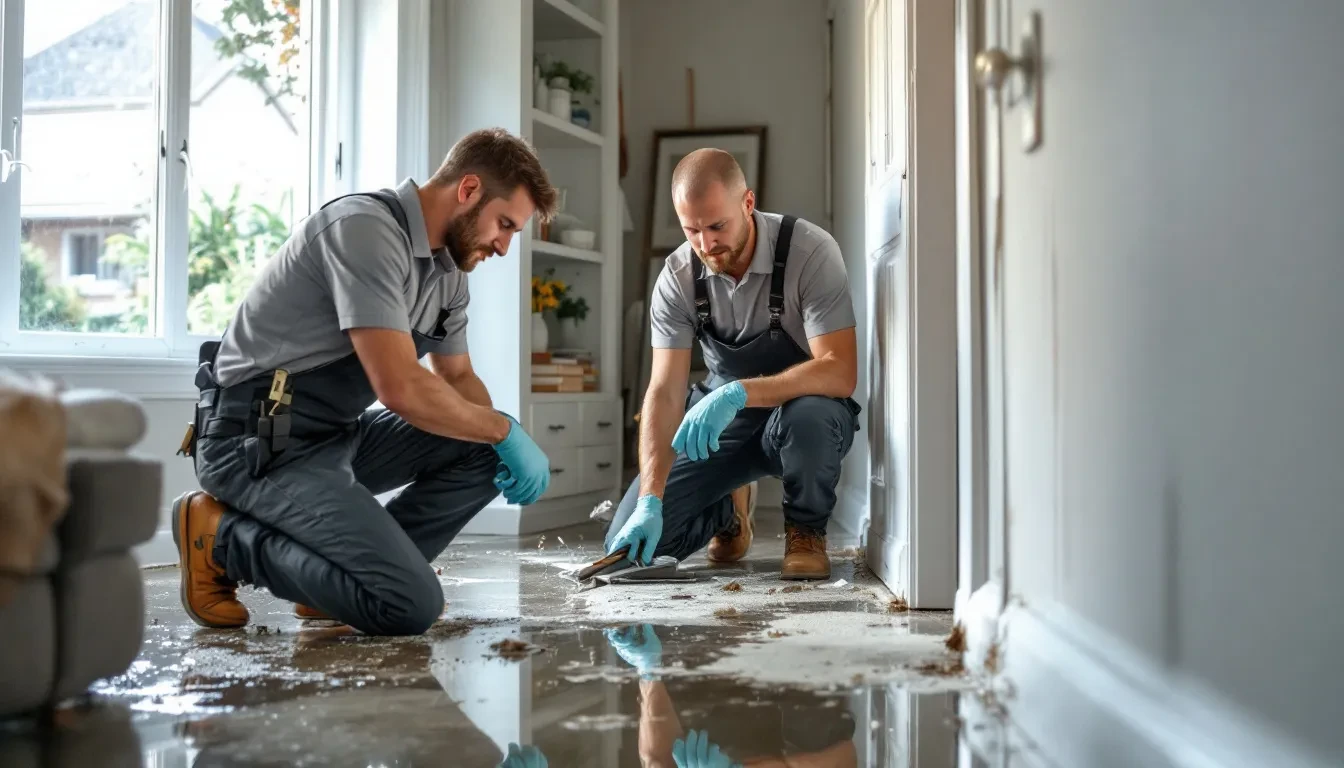
A professional technician should inspect the visible damage, take moisture readings with a meter or thermal camera, and check behind walls, under floors, and in ceilings. They must identify the water source and the water type, such as clean, gray, or black water. On site, ask: what will you remove and what can be saved? How many fans and dehumidifiers are required? How many days of drying will this take? How will you show me the moisture readings? What is not covered by this scope? Be wary of a quote with no moisture readings, a verbal-only scope, or a company that pressures you to sign immediately.
Local independent or national franchise?
You can compare these two options on several criteria. A national brand offers a recognizable name and a standardized process, but the actual quality depends entirely on the local office and the specific crew running your job. A local independent company often has an owner who is easier to reach and is personally accountable in the same city. Local crews understand Houston conditions, though they may have smaller teams available during a major citywide storm surge. Ultimately, the deciding factors are the same regardless of the business model: you need verified credentials, a written scope of work, and a clear understanding of who actually shows up to your house.
Understanding the Water Damage Restoration Process Step by Step
A professional water damage restoration job follows a specific sequence. First, technicians identify the water category. Clean water comes from a supply line, gray water comes from appliances, and black water involves sewage or floodwater. The category dictates what must be removed and how surfaces are cleaned. Skipping steps in this process can lead to long term issues.
Stop the water and find where it went
The job begins with source control and a safety check. Next, the crew performs an inspection and moisture mapping to see how far water traveled into wall cavities or under flooring. They then proceed to the extraction of standing water with pumps or extractors. After that, they remove materials that cannot be dried or are contaminated, such as soaked insulation, carpet pads, or saturated drywall. Red flags include a crew that skips moisture mapping, tears out everything without explanation, or leaves wet materials behind to save costs.
Dry, verify and clean
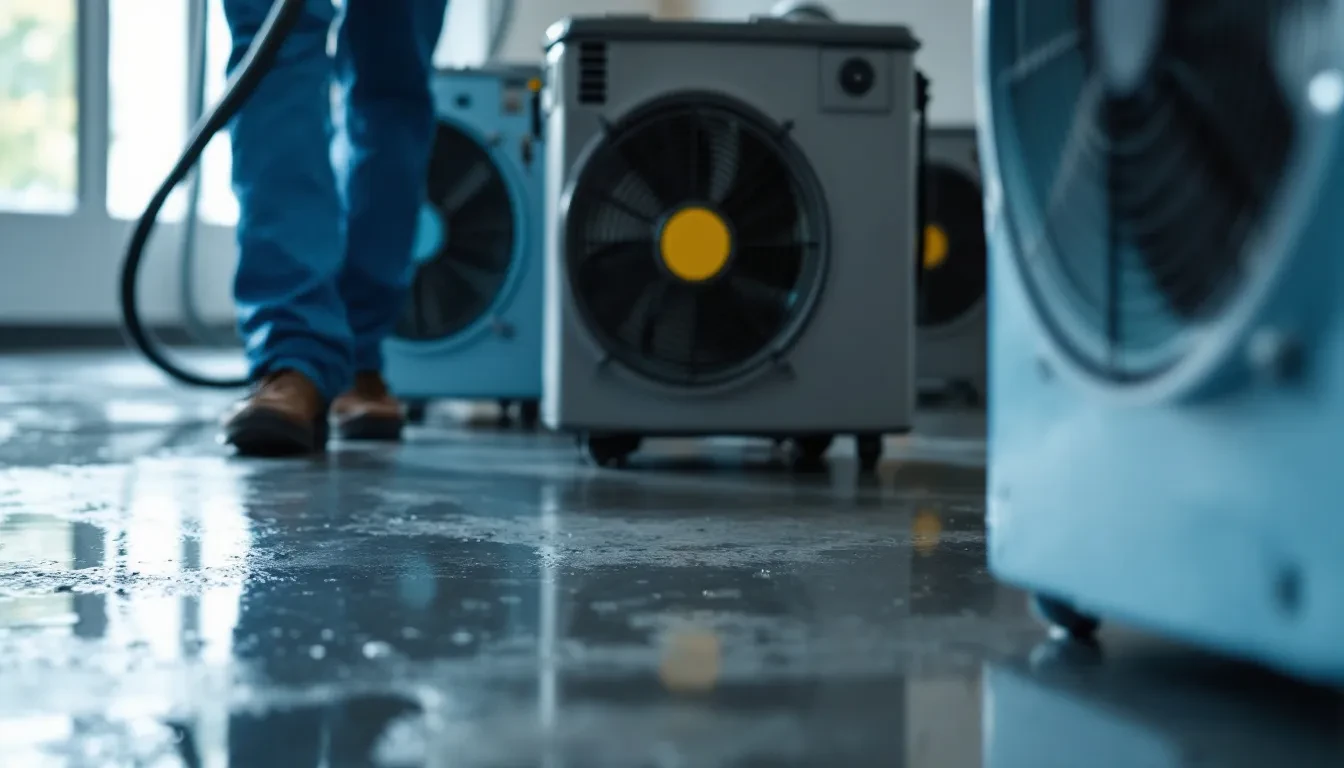
After extraction, the crew sets up air movers and dehumidifiers matched to the space. The job is not finished based on a set day count. Instead, the crew must monitor the site by taking repeat moisture readings and adjusting equipment until they reach the dry target. For more information on what affects this timeline, see our drying-time guide. Finally, the team performs cleaning, surface treatment, and repairs or a scope for repairs. A red flag is equipment being dropped off without a return visit to verify results.
How Drying and Moisture Control Protect Your Home from Mold
The principle of moisture control is straightforward: mold requires moisture to grow. Effective drying is your primary defense against secondary damage. If the process is incomplete, you risk structural issues and biological growth that can occur long after the initial leak is resolved.
What structural drying means
A surface may feel dry to the touch while the framing, subfloor, and wall cavities remain saturated. This is why professional drying must be measured. Technicians compare moisture readings in the affected materials to the readings in the unaffected parts of the building to ensure the entire area is stable. Air movers push moving air across wet surfaces, while dehumidifiers pull moisture from the air. In some cases, wall or floor cavities may require openings to allow air to reach the interior. Improper drying leaves trapped moisture that can lead to swelling, warped flooring, odor, and rot. You can read more about the timeline for this process in our drying-time guide.
When mold is already a concern
If materials have stayed wet for an extended period, or if you notice a musty smell or visible growth, the next step is assessment, then testing or remediation as needed. It is important to remember that fixing the moisture source comes first, because if the area remains damp, the mold will return. Flat-Out Plumbing HVAC & Restoration lists mold testing, assessment and remediation among its services.
Navigating Insurance Claims for Water Damage Restoration
Coverage depends on your specific policy and the cause of the damage. You should read your policy carefully and call your carrier early. Because the adjuster's visit and the restoration company's scope may differ, you should ask for the difference to be explained to you in writing.
Document the damage before anything moves
Before any cleanup begins or items are moved, create a thorough record. Take wide photos and video of every affected room, then take close-up shots of wet or stained surfaces and the source. List damaged items with their approximate age and value, and record the date and time you found the water. If possible, keep damaged items or samples until an adjuster has seen them. You should also ask any restoration company for a written scope and readings they can share with the adjuster.
What carriers often treat differently
Insurance companies often categorize water events based on the source. Sudden events, such as a burst supply line, are often handled differently than slow leaks or long-term seepage. Additionally, flood damage from rising water is typically excluded from standard homeowners policies and is handled under separate flood coverage. You must confirm how your policy treats these scenarios. Since mitigation is generally expected of the policyholder to stop further damage, do not wait for an adjuster to start the drying process.
Why Local Houston Experience Matters for Restoration Jobs
Choosing a professional for water damage restoration in Houston requires understanding the local environment. A company based in the area understands how the specific humidity levels in our region can impact the drying process and how the local climate affects building materials. Local teams also understand how storm seasons can impact crew availability and how to manage the surge of calls that typically follows major weather events in the Gulf Coast area. It is also important to verify which state licenses apply to your specific situation, as the nature of the water source may dictate whether plumbing or air conditioning licensing is required for the repair.
When evaluating restoration services, look for a company that operates directly in your community. Flat-Out Plumbing HVAC & Restoration is a Houston based company serving the Houston area. The business maintains a 4.9 star rating from 48 Google reviews and can be reached at (832) 904-9001. For more information on how we serve different parts of the region, you can view our water damage restoration pages for other Houston service areas or visit our other local service area pages.
FAQ
How expensive is it to repair water damage?
Costs vary based on several factors. These include the water category (clean, gray, or black), the total square footage and number of rooms affected, which materials must be removed, how many days of drying equipment are needed, how far the water traveled into walls and floors, after-hours timing, and the repairs required after drying is finished. A written, itemized scope is the best way to compare quotes, as the cheapest quote that skips drying costs more later.
What does a water restoration company do?
A restoration company stops further damage by removing standing water and wet materials, dries and monitors the structure, cleans affected surfaces, and handles or scopes the necessary repairs. As detailed in our process section, they focus on returning the property to its pre-loss condition through professional mitigation and restoration steps.
How quickly should I call a restoration company after water damage?
Call as soon as the source is stopped and it is safe to do so. Do not wait for an insurance adjuster. Waiting allows water to spread into building materials and gives mold time to develop in the high Houston humidity. Immediate action helps minimize structural damage.
Will my homeowner's insurance cover water damage restoration in Houston?
Coverage depends on your specific policy and the cause of the damage. Sudden events, such as a burst supply line, are often handled differently than long-term seepage or leaks. Flood from rising water is typically excluded from standard homeowners policies and requires separate flood coverage. You should read your policy and call your carrier to confirm.
How do I know if a water damage restoration company is certified and legitimate?
Run a checklist: verify the IICRC certificate number with the IICRC, look up Texas license numbers with the issuing state agency, and confirm the certificate of insurance by calling the agent listed. For example, you can verify Flat-Out's IICRC WRT/FSRT certification, number 219214. Ask for a written scope and moisture readings to ensure they are tracking progress correctly.
What is the difference between water mitigation and water restoration?
Mitigation is the process of stopping the loss, which includes water extraction, removing wet materials, and drying. Restoration is the process of returning the property to its prior condition, including repairs. You should ask your quote to specify which stages are included in the price.
Who is Servpro's biggest competitor?
The most important question is which company fits your specific job. When comparing local independents and national franchises, focus on verified credentials, the quality of the written scope, who actually shows up at the house, and how they verify that the drying process is complete.
If you have water damage now or want to line up a restoration company before a storm, please reach out to us. Contact Flat-Out Plumbing HVAC & Restoration or call (832) 904-9001 to discuss your needs.